Stumps & roots · 4 MIN READ
Can You Remove Tree Roots Above Ground Without Killing the Tree?
Sometimes individual roots can be managed, but cutting or grinding exposed roots isn’t automatically safe for a living tree. The answer depends on which roots are involved, their size and location, the tree's condition, and what the tree could strike if its stability were compromised.
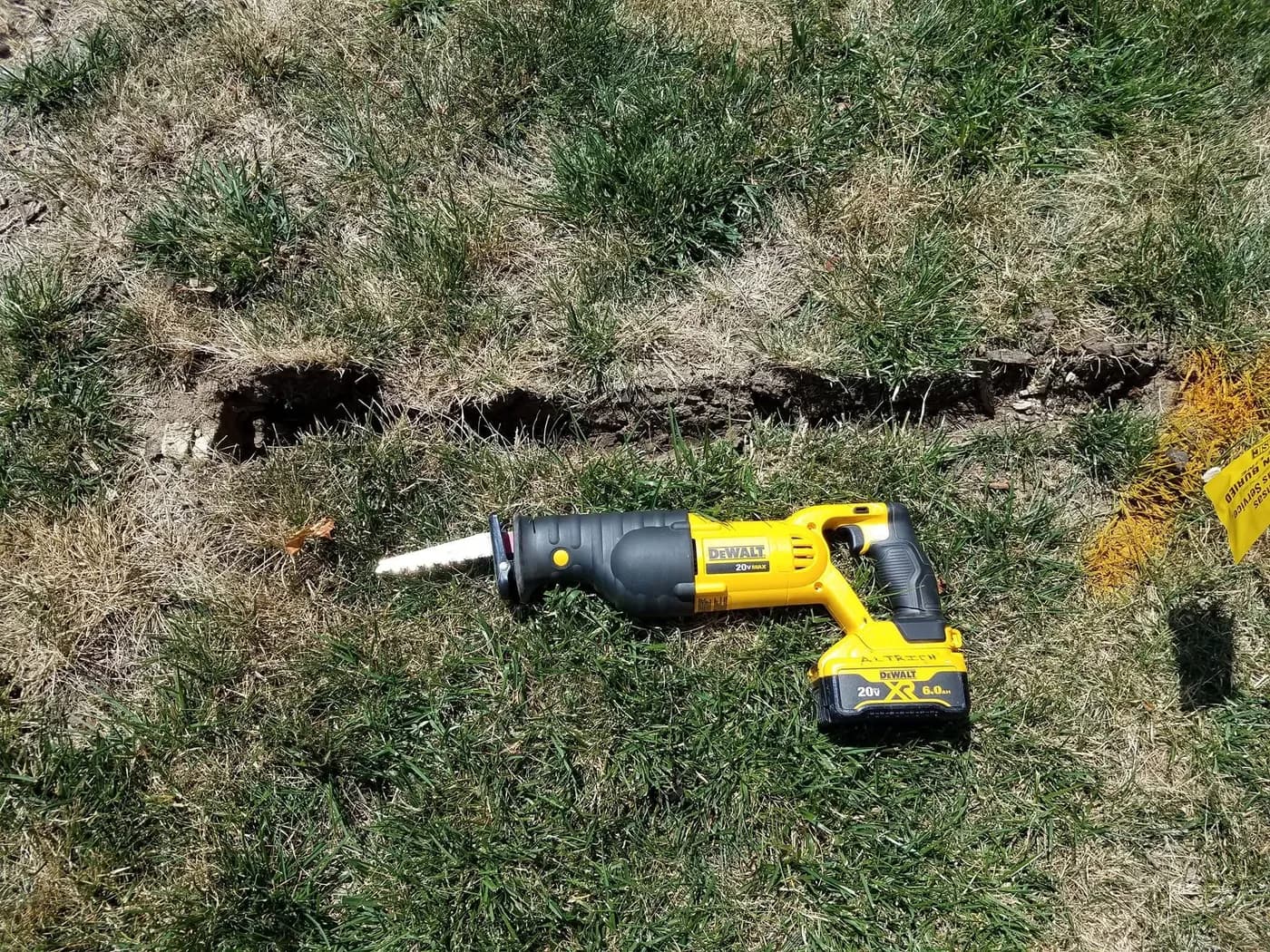
Roots left after a tree has been removed are a different situation. Surface root removal may help restore usable lawn in that case, provided nearby trees, utilities, and structures are considered.
Before scheduling work, answer the first question: are these roots supporting a tree you want to keep?
Why exposed roots become a problem
A root doesn’t need to be especially tall to interfere with a yard. It can catch a mower deck, interrupt a walking route, or leave an awkward strip of grass that is difficult to maintain.
That frustration is real, but the solution should account for the tree. Exposed roots aren’t simply extra material that can always be shaved away.
Purdue Extension advises against cutting troublesome surface roots and recommends a mulch area as an alternative to repeatedly mowing over them. Its guidance suggests a two- to three-inch layer of wood mulch, kept away from the trunk, rather than a thick blanket of added soil. Source: Purdue Extension on tree surface roots.
Start with the outcome you need
“Remove the roots” may be the first solution that comes to mind. Describe the actual problem before choosing that solution.
Are you trying to stop hitting a root with the mower? Make a walking route easier to use? Repair lifted paving? Prepare space for a fence or patio?
Each goal may lead to a different recommendation. Expanding a landscape bed could address a mowing conflict without cutting roots. A path could potentially move. A paving project may require input from both an arborist and the installer before anyone excavates.
Tell the person evaluating the site which matters most: keeping the tree, keeping the exact layout, or changing how the area is used. Those priorities help make the tradeoffs clear.
Roots from a living tree need an assessment before cutting
Don’t use a generic distance rule from an online article as permission to cut. A root's role can’t be judged from a single photograph or its distance from the trunk alone.
For a tree you want to retain, consult a qualified arborist about the proposed work. Ask whether the roots can be left in place, whether the design should change, and whether any limited root work is appropriate.
Construction activity also matters. Equipment traffic, excavation, and soil changes can affect a tree even when its trunk is untouched. Purdue's tree protection guidance emphasizes planning protection around the root zone before construction starts. Source: Purdue construction and tree protection guidance.
Bring a sketch of the planned fence, patio, or path to that discussion. The useful question isn’t just whether one visible root can be removed. It’s whether the entire planned project is compatible with retaining the tree.
What about roots remaining after tree removal?
After a tree comes down, grinding its stump doesn’t necessarily include every root extending into the yard. The stump and the roots outside that grinding area should be identified separately in the quote. Our guide to roots remaining after a tree has been removed explains what grinding typically leaves in place.
If raised roots remain, show the contractor the full area you want addressed. A photo focused only on the old stump may miss the roots that still cause mowing problems.
Nearby living trees can complicate the decision. Their roots may extend into the same work area. If the root's origin is uncertain, have it assessed before authorizing removal.
Also explain whether you want lawn, a planting bed, or construction in that location. A surface improvement and a construction excavation are different scopes.
Can you cover the roots with dirt instead?
Adding a deep layer of soil around a living tree isn’t a harmless shortcut. Missouri's Department of Conservation identifies changes in soil grade, compaction, and construction damage among factors that can weaken trees. Source: Missouri tree health guidance.
Get advice on the proposed change before ordering soil. For a mowing problem, discuss an appropriately designed mulch area. For a new path or landscape project, consider layouts that work around the root zone.
If the tree has already been removed, restoring soil and grass can be part of the plan after root work. Ask who handles material removal, soil placement, and the final finish.
What to send with a surface root removal request
Send an overview photo showing the root area and nearby trees. Include a closer view of the roots, the approximate area involved, and a description of the problem.
Tell Heartland whether the original tree is standing or has been removed. Mention irrigation, lighting wires, invisible fencing, paving, and any upcoming construction. Don’t excavate to identify roots or buried lines yourself.
Ask for the proposal to name which roots are included and what the area will look like after the work. Avoid a vague agreement that leaves both the root boundary and cleanup undefined.
Contact Heartland Stump Removal about exposed roots and explain whether you’re keeping the tree. That distinction is the starting point for deciding whether surface root removal fits your project.
A useful next step.
You don’t need every answer before getting in touch. Start with your location, a few photos taken safely and what you’d like to do with the space.
See what this service includes