Overgrown acreage
Start with the areas you want to reclaim, whether that’s one overgrown section or a larger tract. Separate the ground you want opened from the trees and natural areas you want to keep.
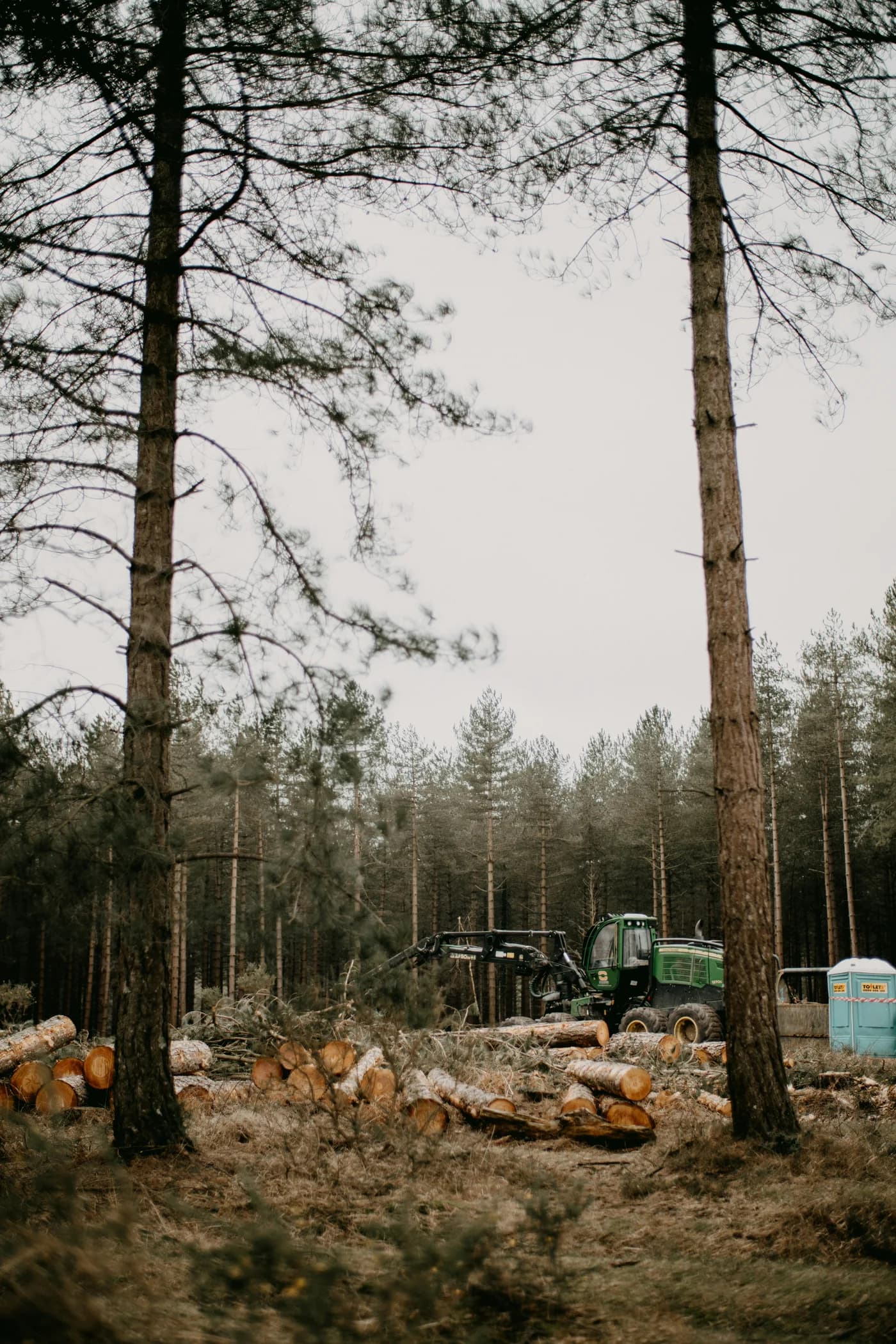
HEARTLAND / LAND & ACREAGE
Open up overgrown ground. Matt manages land clearing and forestry mulching projects up to 350 acres, bringing in professionals he’s vetted and worked with for years. Talk with him about your land and what you’d like to do next.
WHAT DO YOU WANT YOUR LAND TO DO?
More open space is only useful when it supports your plans. Before deciding how much to clear, think about the paths, usable areas and trees you want to have when the work is finished. That gives your project a purpose beyond simply cutting vegetation.
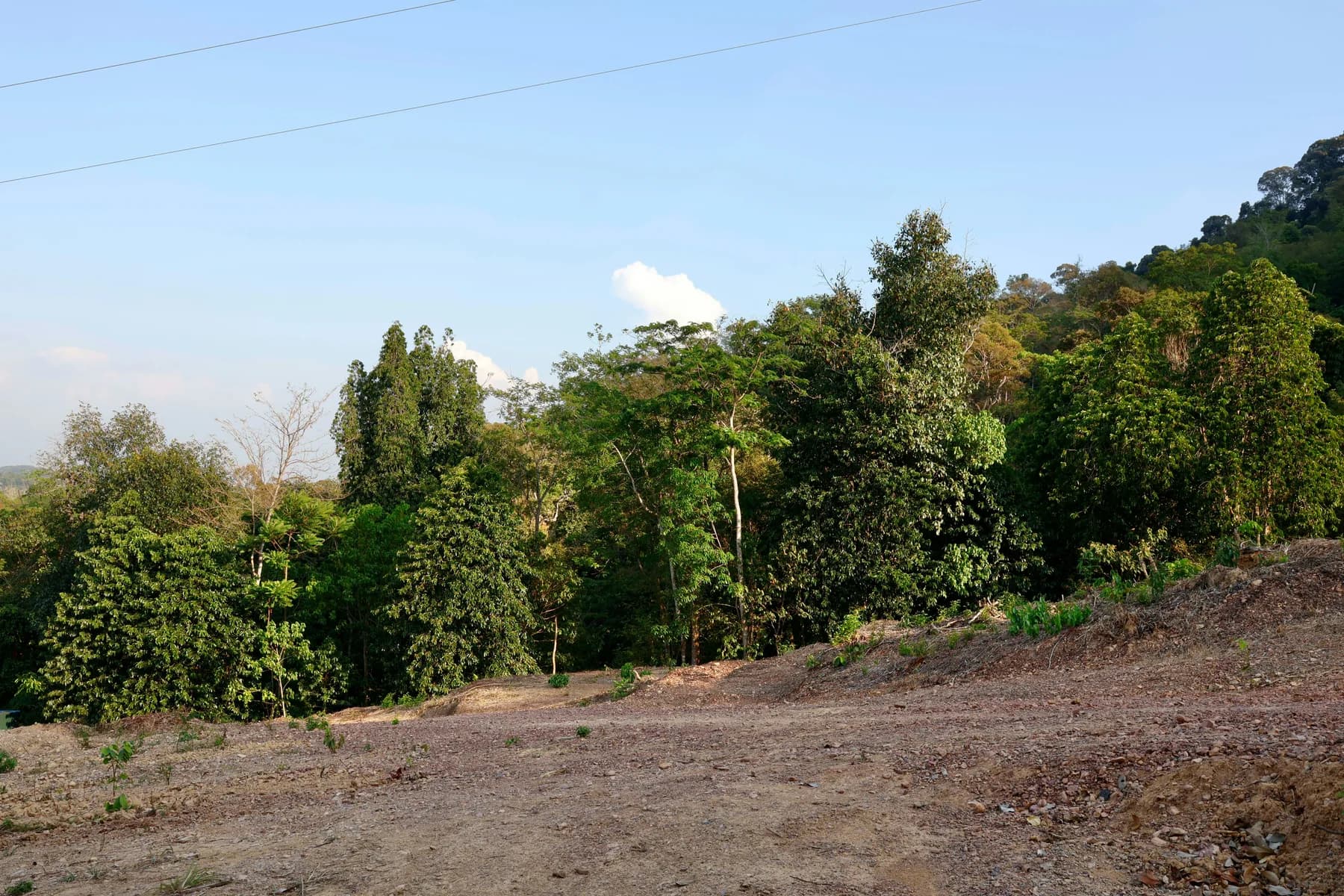
Start with the areas you want to reclaim, whether that’s one overgrown section or a larger tract. Separate the ground you want opened from the trees and natural areas you want to keep.
Describe where you need to get and how you’ll use the route. A walking trail, maintenance lane and equipment entrance can need very different widths, turning space and ground preparation.
Show the edges that have grown in and the existing fences, posts or gates. Identify old wire and discarded materials before setting a clearing line. The plan starts with a clear boundary.
Tell Matt if you’re working toward pasture, recreation, a homesite or another future use. The intended finish helps establish what clearing can accomplish and what needs a separate next step.
TWO TERMS. A PLAN THAT FITS YOUR PROPERTY.
Forestry mulching often goes hand in hand with land clearing. Tell Matt whether you want a more open wooded area, a usable route or ground prepared for a later project. He’ll help define how mulching fits into the plan. To compare mulching and brush hogging before you decide, read the guide.
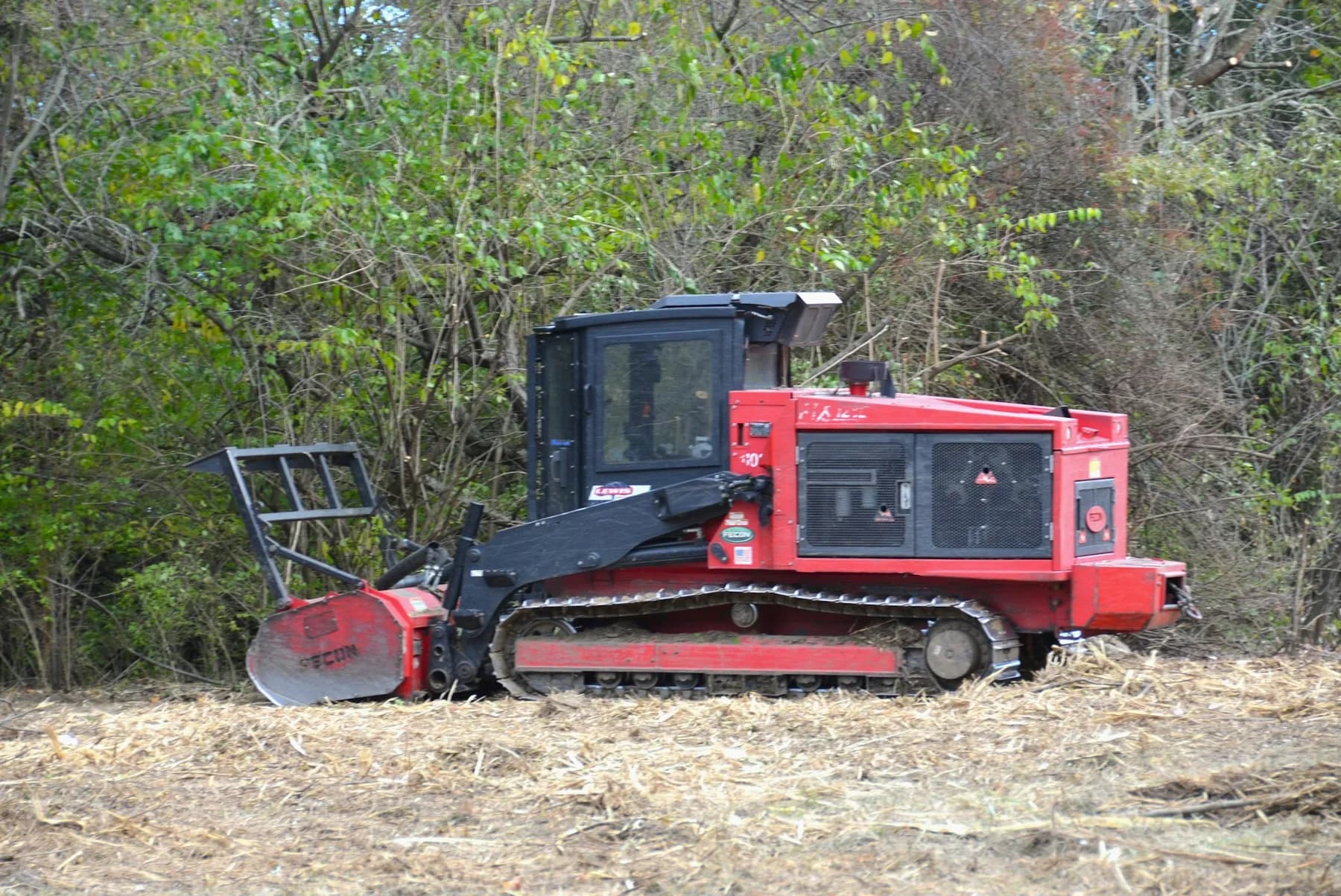
Matt and the professionals he works with can plan forestry mulching for overgrown underbrush and trees up to 6 inches in diameter. Specialized equipment processes the vegetation into smaller pieces that generally stay on the ground.
Land clearing starts with an area you want to open and a use you want to make possible. The scope defines which vegetation goes, what stays and how the ground should be left. Mulching may be one part of that plan.
Want a closer look at the process? Read the US Forest Service’s forestry mulching overview.
CLEAR BOUNDARIES. BETTER DECISIONS.
A marked aerial image is a useful starting point. Outline the treatment area, identify the entrance and mark the trees or sections you want to retain. Total parcel acreage and the acres you want treated don’t have to be the same.
Describe the areas to open and any priorities for the first phase. Flag uncertain property lines before work is planned near an edge.
Identify trees, planting areas, fences, structures and natural areas to work around. Clearly marked exclusions help turn your vision into an understandable scope.
Include gates, turns, slopes, wet areas and a place to enter the property. Point out known wire, rocks, buried debris, private lines and other obstacles.
A QUOTE FOR YOUR LAND
Two areas of the same size can involve very different work. Share the location, acres you want treated (up to 350), photos and the result you have in mind. Matt can then discuss the details needed to assess your project and define the next step.
THINK PAST THE CLEARING DAY
A mulched surface, a mowable area and a construction-ready site are different outcomes. Explain the finish you need early so your clearing request doesn’t leave the next step undefined.
Discuss processed woody material, retained vegetation and any remaining stumps. If material needs to leave the property, make hauling an explicit part of the discussion.
Learn about stump grindingSome woody plants can resprout after mechanical treatment. The right follow-up depends on the vegetation and how you’ll use the ground. Clearing alone isn’t a promise of permanent vegetation control.
Penn State’s regrowth guidance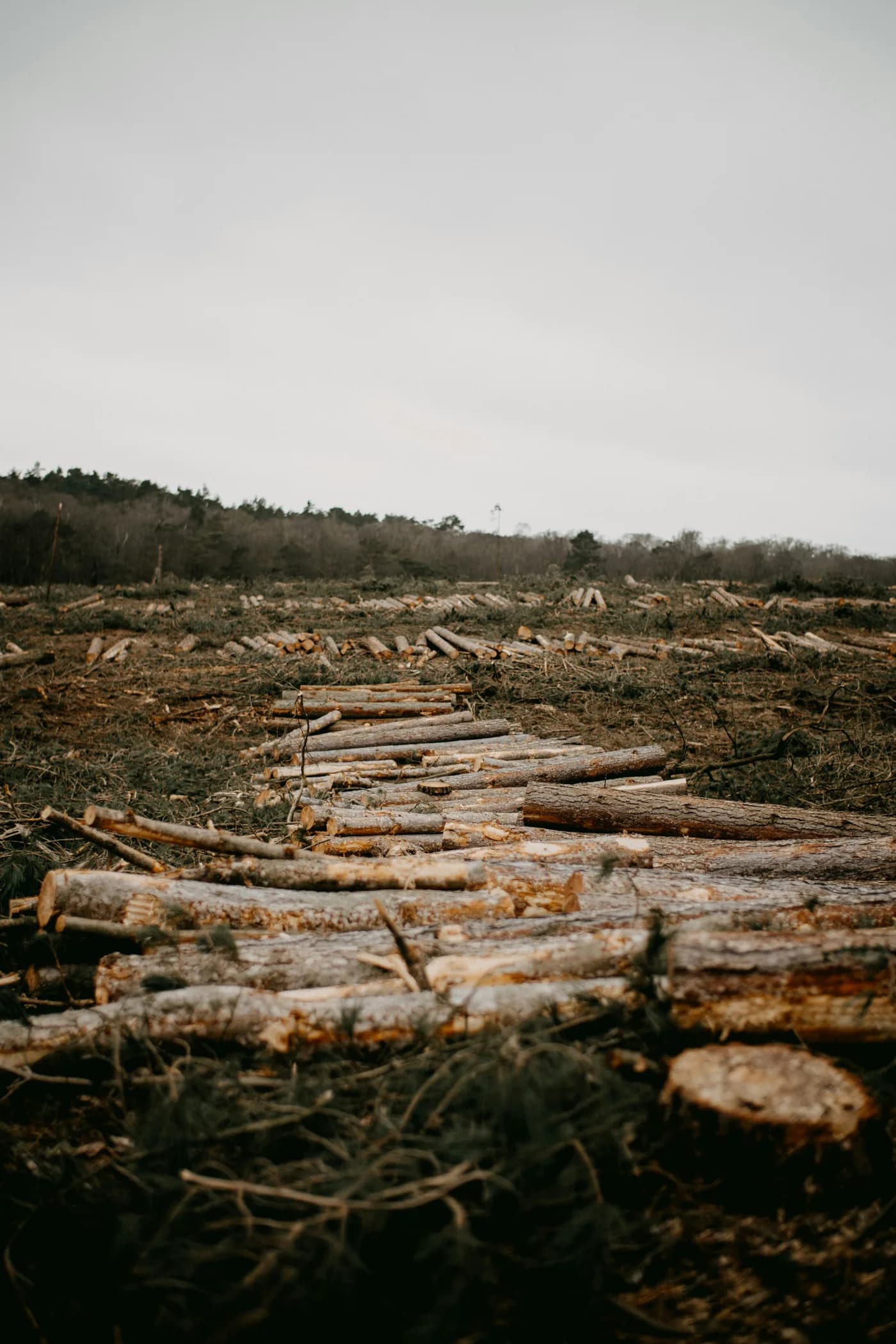
BEFORE YOU MAKE A PLAN
Start here, then tell Matt what’s different about your property.
Heartland accepts land clearing and forestry mulching inquiries for projects up to 350 acres. Share the acreage you want treated, not just the total parcel size. Vegetation, terrain, access and the finish you want determine the project’s scope.
Forestry mulching often goes hand in hand with land clearing. It processes woody vegetation into smaller material that generally stays on the ground, while land clearing is the broader project of opening an area for your intended use. Matt manages the project with trusted professionals who can mulch overgrown underbrush and trees up to 6 inches in diameter. Your plan may include other work depending on the vegetation and the finish you want.
Don’t assume a mulching quote includes removing below-ground stumps and roots. If you need an area ready for planting, excavation or construction, explain that before the scope is set. Stump grinding and other ground preparation need to be addressed specifically.
Include those areas in your request. Mark the trees, groups of trees and sections you want retained, along with the areas you want opened. The working plan needs clear boundaries and enough access to carry out the agreed work around what stays.
Some woody plants can resprout after mechanical cutting or mulching. A one-time clearing project isn’t a guarantee against regrowth. Ask about the follow-up your intended use will need, such as continued mowing or a separate vegetation-management plan.
Acreage is only one part of a clearing quote. Dense woody growth, difficult access, slopes, hidden debris, selective work and the requested finish can change the work substantially. Send the location, approximate treatment area and representative photos for a project-specific discussion.
Heartland’s brush mowing service covers tall grass and light brush on projects up to four acres. Land clearing and forestry mulching are separate services for a different scope, with inquiries up to 350 acres. Send photos if you’re unsure which service fits your vegetation and plans.
Matt manages your project and brings in professionals he’s vetted and worked with for years to carry out the clearing and mulching. You’ll work directly with him on the plan, scope and scheduling. Send the property location, acres to treat, your plans and photos of the vegetation and entrance so he can get the right plan in place.
LAND CLEARING / FORESTRY MULCHING
Matt manages your project with vetted professionals he’s worked with for years. Send him the location, acreage, photos and your plans, and he’ll help you work out the next step.
Matt takes calls every day, 8 a.m.–6 p.m., and typically responds within an hour during those hours.
Projects up to 350 acres. Scope and suitability depend on your property.